


A short video made the rounds recently under a title like “four years of therapy in twenty seconds.” The speaker ran through ten quick sayings: fear shows you what matters, anger shows you where a boundary was crossed, anxiety means you are living in the future, and so on, down to “your choices define you.”
Most of the lines sound wise. A few are partly true. But listen to them together and you notice two things. First, where they all point: my fear, my boundaries, my healing, my choices. The self sits in the middle and is asked to explain the self. Second, what is missing. God is never mentioned. Neither is faith.
So we will add one more line to the list, the one Christians are most likely to reach for: “and your faith keeps you.” It sounds like the right answer. It needs the Word’s correction too.
Scripture does not wave our feelings away. The Psalms are full of fear, anger, grief, and longing, poured out honestly before God. Our feelings are real. They are just not the authority. They report what is happening in the heart. They do not get to rule on what is true. That job belongs to the Word.
- Your feelings are real, and God wants you to bring them to him.
- Your feelings are not the judge. God’s Word has the last word.
- The heart is the root. What you love, trust, and fear drives what you feel.
- God is in control, and he is good. That is better news than “nothing is in control.”
- God keeps you. Your faith is the hand that receives. His hand is the one that holds.
1. Start with God, then you
Three convictions run underneath this whole study.
- The heart is the root. In the Bible, your “heart” is the real you, the center where you love, trust, and choose. What it treasures drives your feelings, thoughts, and actions (Prov. 4:23; Luke 6:45).
- God is sovereign and good. Sovereign means he rules over everything. He governs all things and cares for his people (Ps. 115:3; 1 Pet. 5:7).
- We are united to Christ. If you trust Jesus, you are joined to him. Your identity and strength are received from him, not built by you (Gal. 2:20).
John Calvin began his great book on the Christian faith by saying that nearly all true wisdom has two parts: knowing God and knowing ourselves, and the two belong together. The sayings start with the self and try to work outward. Scripture starts with God, and only then tells us who we are.
2. The God who stands guard
Remember the line we added: “your faith keeps you.” Peter says something close to that, and the difference is the whole gospel. He does not say your faith guards you. He says God’s power guards you, through faith. The verb means you are continually being guarded, and someone else is doing the guarding.
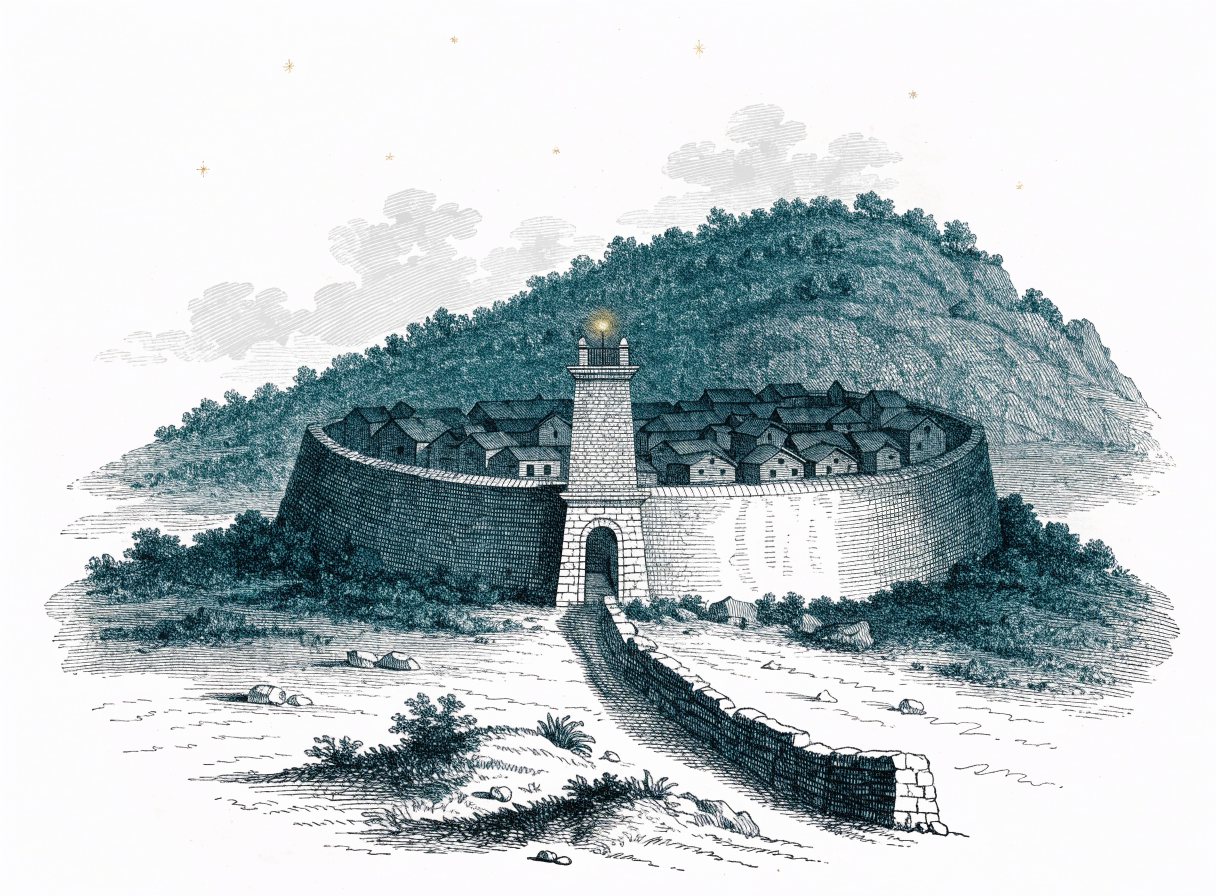
Translated “guarded.” It means to keep watch over, to hold a city with a garrison (a troop of soldiers stationed on the walls). The word appears only four times in the New Testament. In Philippians 4:7, “the peace of God… will guard your hearts and your minds in Christ Jesus.” And in 1 Peter 1:5 you yourself are the city, and God’s own power is the garrison on the walls. Your feelings come and go at the gate. The guard does not change shifts.
Keep that picture in mind. It answers two of the sayings directly (anxiety and faith), and it stands behind all the rest.
3. Fear, anger, and anxiety
Fear. Fear does show what we treasure. What we dread losing is usually what we love most. Scripture asks you to point your fear somewhere new. When Judah was terrified of the armies to the north, God told Isaiah what to fear instead: “Let him be your fear, and let him be your dread” (Isa. 8:13). The fear of the LORD is a deep awe that shrinks every other fear to its proper size. So do what David did with enemies closing in: “When I am afraid, I put my trust in you” (Ps. 56:3).
Anger. Some anger is right. Jesus looked around the synagogue “with anger, grieved at their hardness of heart” (Mark 3:5). But most of our anger guards our own small kingdom: my time, my plans, my right to be treated a certain way. The honest question is, what did I think I was owed? “The anger of man does not produce the righteousness of God” (James 1:20). Paul hands the final reckoning to God: “never avenge yourselves, but leave it to the wrath of God” (Rom. 12:19). The wrong still matters. It matters too much to be left in our hands, and that frees you to forgive “as the Lord has forgiven you” (Col. 3:13).
Anxiety. Anxiety does live in the land of “what if.” But Jesus treats it as a question about the Father. Look at the birds: “your heavenly Father feeds them. Are you not of more value than they?” (Matt. 6:26).
There is our guard word again. The trouble may still be outside, but God’s peace stands at the gate. Turn each “what if” into a specific request, and wrap it in thanks. One pastoral word: some anxiety has a body in it, and seeing a Christian doctor alongside your pastor is not a lack of faith.
All eleven at a glance
Here is the whole list in one place, with the answers we have seen and the ones still to come.
| Topic | Our feelings say | The Word says |
|---|---|---|
| Fear | “Fear shows you what matters.” | Fear the LORD, and you need fear nothing else. |
| Anger | “Anger shows you where a boundary was crossed.” | Be slow to anger, and leave vengeance to God. |
| Anxiety | “Anxiety means you’re living in the future.” | Cast all your anxieties on him, because he cares for you. |
| Motivation | “Motivation fades.” | It is God who works in you, both to will and to work. |
| The past | “Your past is a chapter, not your whole story.” | If anyone is in Christ, he is a new creation. |
| Reactions | “Triggers show you what still needs healing.” | Search me, O God, and know my heart. |
| Control | “Control is an illusion.” | Control is real. It belongs to God, not to us. |
| Thoughts | “Your thoughts shape you.” | Be transformed by the renewal of your mind. |
| Habits | “Habits change your life. Your habits build you.” | We are his workmanship. God builds us through his means of grace. |
| Choices | “Your choices define you.” | Christ defines you. Choose as one who belongs to him. |
| Faith | “And your faith keeps you.” | You are guarded by God’s power through faith. |
4. Motivation, the past, and the heart’s reactions
Motivation fades. Every January proves it. Scripture points to a better source: “Work out your own salvation with fear and trembling, for it is God who works in you, both to will and to work for his good pleasure” (Phil. 2:12–13). God supplies even the wanting-to. That does not make us lazy. You work it out because he is working it in. Nehemiah told the weeping people that “the joy of the LORD is your strength” (Neh. 8:10). So obey before you feel like it. Very often the feeling follows the obedience.
The past. Your history does not get the last word, and the gospel says far more than “turn the page.” In Christ your past is a debt that has been paid. “Therefore, if anyone is in Christ, he is a new creation. The old has passed away; behold, the new has come” (2 Cor. 5:17). When Paul says he is “forgetting what lies behind” (Phil. 3:13), he still remembered who he had been. The past simply no longer ruled him. It helps to separate three things:
- Guilt is gone, fully forgiven in Christ.
- Consequences may remain, and God walks with you through them.
- Wounds are healed over time by the God who binds up the brokenhearted.
The heart’s reactions. A strong reaction does reveal something underneath. Sometimes it exposes sin in us, like pride or a “root of bitterness” (Heb. 12:15). Sometimes it exposes a wound from sin done to us, and “he heals the brokenhearted and binds up their wounds” (Ps. 147:3). Often it is both. But Scripture warns, “The heart is deceitful above all things” (Jer. 17:9). We cannot read our own hearts well. David asked God to do it: “Search me, O God, and know my heart!” (Ps. 139:23). Confess the sin you find (1 John 1:9). Bring the wounds to the Lord, and to a pastor or a trusted Christian friend (Gal. 6:2). And expect progress, not instant perfection.
5. Control, thoughts, habits, and choices
Control. You cannot control outcomes, other people, or tomorrow. But a universe where no one holds the wheel would be random, not restful. The Bible’s comfort is that someone holds every outcome, and he is good. “The heart of man plans his way, but the LORD establishes his steps” (Prov. 16:9). You are still called to self-control (Gal. 5:23). You were never asked to govern the world. Sort what weighs on you into three piles: what is mine to do, what is God’s, and what belongs to someone else. Do the first. Pray over the other two.
Thoughts. The cure for a crowded mind is true thinking, a mind filled with what God has said.
“Be transformed” is something done to you by the Spirit through the Word. So chew on the Word (Ps. 1:2), and learn to answer yourself: “Why are you cast down, O my soul… Hope in God” (Ps. 42:5). Preach the gospel to your own heart.
Habits. Good habits shape us, and Paul says, “Train yourself for godliness” (1 Tim. 4:7). But the saying makes you the builder, and Scripture names another: “For we are his workmanship” (Eph. 2:10). Christian habits are places where you put yourself in the path of grace. The church calls them the means of grace: the Word, the sacraments (baptism and the Lord’s Supper), and prayer (Westminster Shorter Catechism 88). Aim every habit at Christ, and watch for the drift into earning God’s favor (Gal. 3:3).
Choices. Choices matter: “Choose this day whom you will serve” (Josh. 24:15). But if your choices define you, your worst choice is your name. The gospel reverses the order. Christ declares who you are first, and your choices flow out of it.
Peter denied Jesus three times. Jesus did not rename him. He met him on a beach and gave him sheep to feed (John 21:15–17).
6. Faith: your Savior keeps you
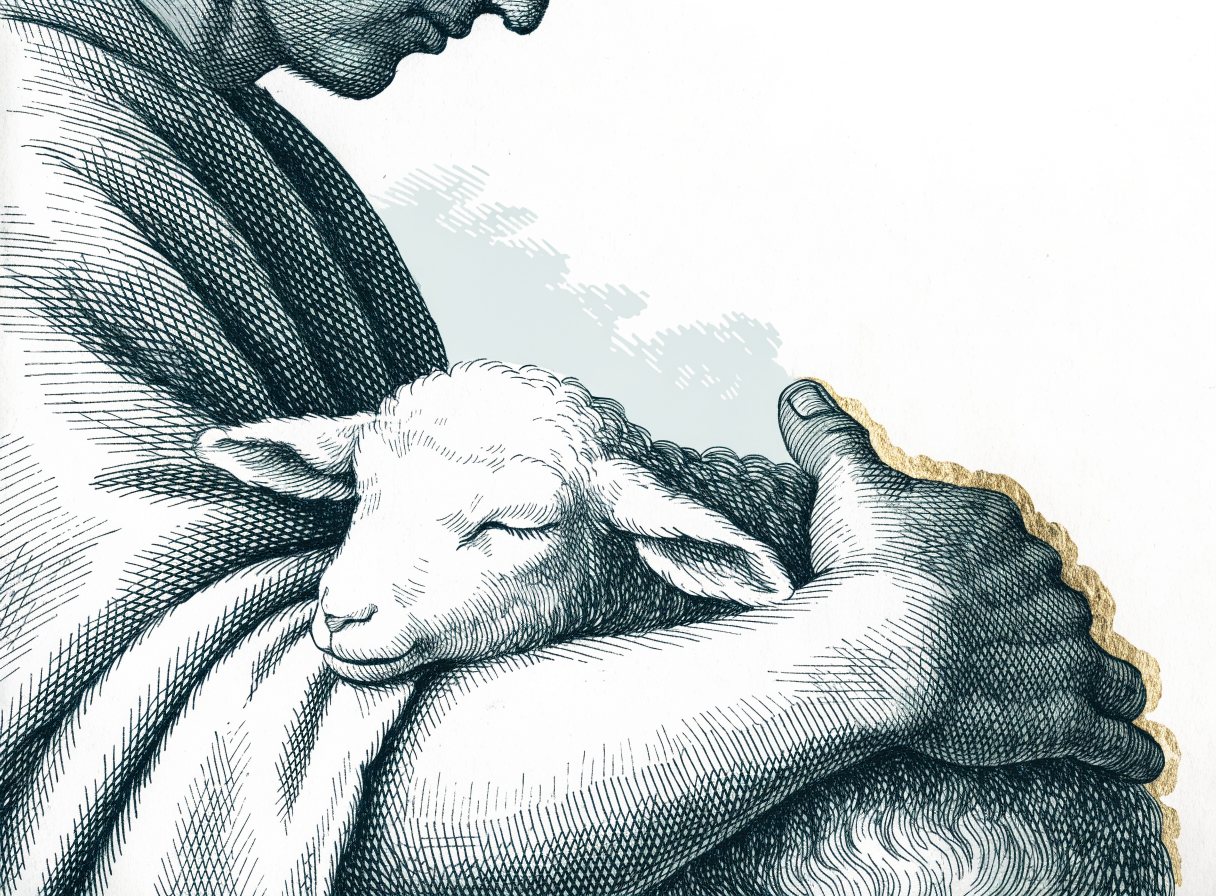
Faith is the Christian’s lifeline. But strictly speaking, faith does not keep you. God keeps you through faith. If your faith were the thing keeping you, your safety would rise and fall with your feelings. Faith is an empty hand that receives. Jesus said, “no one will snatch them out of my hand” (John 10:28). The hand that matters is his, and he is the “founder and perfecter of our faith” (Heb. 12:2), so even your faith is his work. Spurgeon put it this way: “it is not your hold of Christ that saves you; it is Christ.”
Five ways to live this out this week
- Test every saying. Like the Bereans, who checked even Paul against Scripture, hold it up to the Word before you let it into your heart (Acts 17:11).
- Name the feeling to God. Do not bury it, and do not crown it. Trust him and “pour out your heart before him” (Ps. 62:8).
- Turn every “what if” into a request, with one thing you are thankful for beside it (Phil. 4:6).
- Memorize one answer. Pick the saying that sounds most like your inner voice and learn the verse that answers it.
- Keep the ordinary means. The Word, prayer, the Lord’s Supper, and worship with the church on the Lord’s Day.
For discussion
- Which of the eleven sayings sounds most like the voice inside your own head?
- Think of the last time you were angry. What did you believe you were owed?
- How does the picture of a guarded city change the way you think about anxiety?
- Why is it more comforting that Christ keeps you than to hear “your faith keeps you”?
Our feelings are the sea. They are real and loud, and some days they break right over the rock. Jesus said the wise man’s house stood when “the rain fell, and the floods came, and the winds blew and beat on that house” (Matt. 7:25). The storm still came. The difference was the rock. If you have never come to Christ, come now. Turn from your sin and trust the One who died for sinners and rose again. He does not wait for your feelings to settle. Your Savior keeps you, and that is why your faith holds.
Want this teaching as a printable five-page PDF to share with a friend or your small group? It’s free when you join the weekly list.