


“Do not be conformed to this world, but be transformed by the renewal of your mind.” Romans 12:2
“…who by God’s power are being guarded through faith for a salvation ready to be revealed in the last time.” 1 Peter 1:5
Introduction: Real, but Not the Authority
A short video made the rounds recently under a title like “four years of therapy in twenty seconds.” The speaker ran through ten quick sayings: fear shows you what matters, anger shows you where a boundary was crossed, anxiety means you are living in the future, and so on, down to “your choices define you.” Most of the lines sound wise. A few of them are partly true. But listen to them together and you notice two things. The first is where they all point. My fear. My boundaries. My healing. My choices. The self sits at the center, and the self is asked to interpret the self. The second is what is missing. God is never mentioned. Neither is faith. The list ends with the self because the self is all it has.
So this study adds one more line to the end of the list, the one Christians are most likely to reach for when we hear something like this: “and your faith keeps you.” It sounds like the right answer. It needs the Word’s correction too.
Scripture does not wave our feelings away. The Psalms are full of fear, anger, grief, and longing, poured out honestly before God. Our feelings are real. They are just not the authority. They report what is happening in the heart; they do not get to rule on what is true. That job belongs to the Word. So this study takes each of the eleven sayings, sets it beside what God has actually said, and lets the Word have the last word.
Three convictions run underneath every section. First, the heart is the root. What we love, trust, and fear drives our feelings, thoughts, and actions (Prov. 4:23; Luke 6:45). Second, God is sovereign and good. He governs all things and cares for his people (Ps. 115:3; 1 Pet. 5:7). Third, we are united to Christ. Our identity and our strength are received from him, not built by us (Gal. 2:20). John Calvin opens the Institutes by observing that nearly all true wisdom consists of two parts, the knowledge of God and the knowledge of ourselves, and that the two are bound together (1.1.1). The sayings start with the self and try to work outward. Scripture starts with God, and only then tells us who we are.
The Word: The God Who Stands Guard
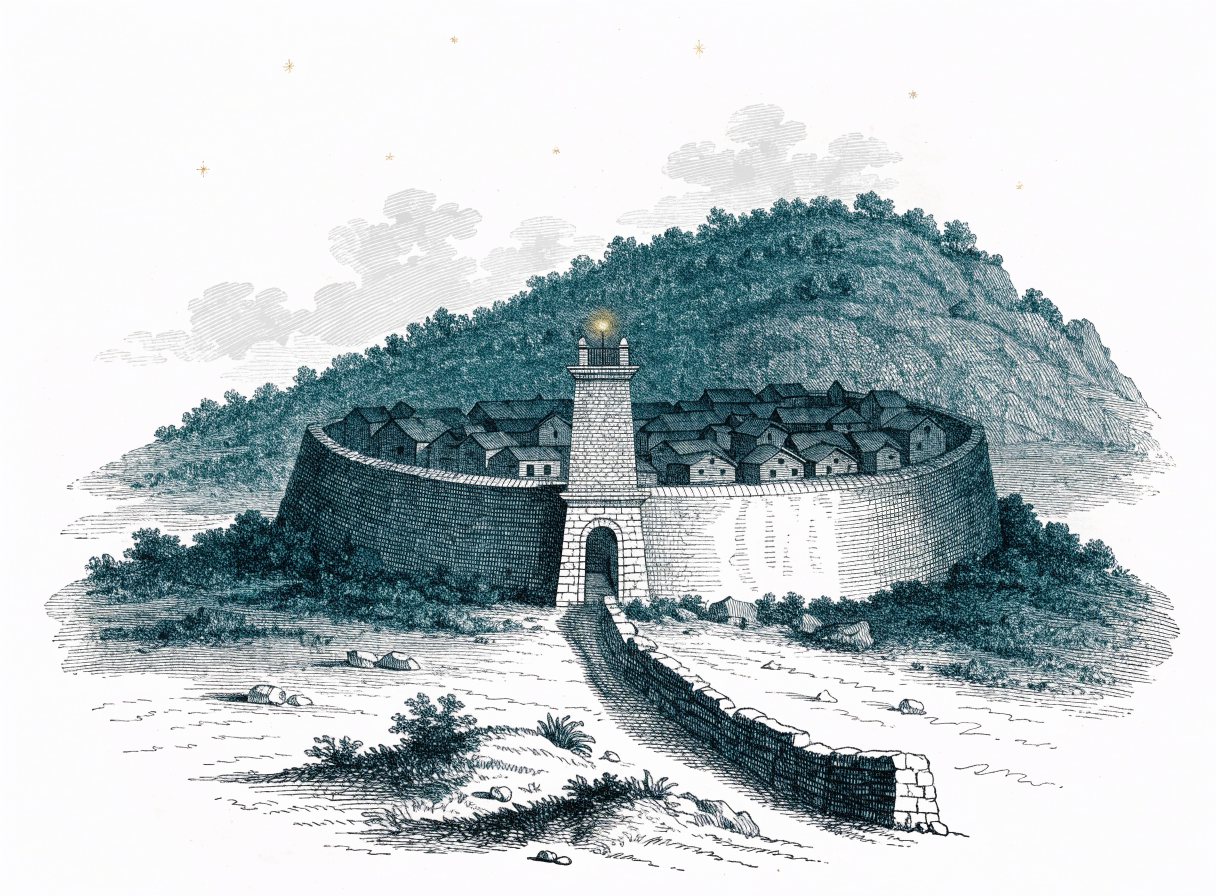
The line we added to the end of the list was “your faith keeps you.” Peter says something close to that, and the difference is the whole gospel. He does not say your faith guards you. He says God’s power guards you, through faith. The verb is a present passive participle: you are continually being guarded, and someone else is doing the guarding. Here is the word Peter chose:
The Eleven Sayings: Our Feelings vs. the Word
1Fear
Fear does expose what we treasure. What we dread losing is usually what we love most, or lean on most. But the saying stops there, as if the goal were to study your fear and learn from it. Scripture never asks you to admire your fear. It asks you to relocate it. When Judah was terrified of the armies to the north, God told Isaiah not to fear what the people feared, and then he told him what to fear instead.
The Hebrew word yirʾah covers the whole range, from terror to reverent awe. The fear of the LORD is not cringing. It is the kind of awe that makes every other fear shrink to its proper size. “The fear of man lays a snare, but whoever trusts in the LORD is safe” (Prov. 29:25). Jesus says the same thing to his frightened disciples: do not fear those who can kill the body, fear him who has authority over everything, and then in the next breath, “Fear not; you are of more value than many sparrows” (Luke 12:4–7). The One you fear is the One who loves you. That is why John can say “perfect love casts out fear,” because the fear that has to do with punishment (1 John 4:18) was answered at the cross. So when fear rises, do what David did with the Philistines closing in: “When I am afraid, I put my trust in you” (Ps. 56:3). John Piper puts the deeper cure well: God is most glorified in us when we are most satisfied in him. Fear loosens its grip when you hold something worth more than what you are afraid to lose.
Also read: Proverbs 9:10; 29:25; Psalm 56:3–4; 62:8; Luke 12:4–7; 1 John 4:18; Romans 8:38–39
2Anger
Anger is a moral emotion. It fires when something we value is threatened, and some anger is right. Jesus looked around the synagogue “with anger, grieved at their hardness of heart” (Mark 3:5). But the saying assumes the boundary is the thing worth protecting. James asks a harder question: “What causes quarrels and what causes fights among you? Is it not this, that your passions are at war within you?” (James 4:1). Most of our anger is not guarding God’s honor. It is guarding our own small kingdom: my time, my plans, my comfort, my right to be treated a certain way. The question is not only what was crossed. It is what I thought I was owed.
When God describes himself to Moses, he says he is “slow to anger” (Ex. 34:6). The Hebrew is ʾerekh ʾappayim, literally “long of nostrils.” The old picture of anger was hot breath through the nose, and God’s takes a very long time to flare. Paul allows that we will be angry, but he puts a sunset on it: “Be angry and do not sin; do not let the sun go down on your anger, and give no opportunity to the devil” (Eph. 4:26–27). Anger left to simmer overnight is a door left open. And Paul hands the final reckoning to God: “Beloved, never avenge yourselves, but leave it to the wrath of God” (Rom. 12:19). That is not because the wrong does not matter. It is because it matters too much to be left in our hands. Every wrong done to a Christian will either be paid for at the cross or answered at the judgment. Either way, you are free to do the one thing anger never wants to do: forgive “as the Lord has forgiven you” (Col. 3:13).
Also read: Mark 3:5; Proverbs 14:29; 15:1; Ephesians 4:26–32; Romans 12:17–21; Matthew 5:44
3Anxiety
Anxiety does live in the land of “what if.” But Jesus never treats it as a scheduling problem, as if the cure were simply to be more present. He treats it as a question about the Father. Look at the birds, he says. They do not sow or reap, “and yet your heavenly Father feeds them. Are you not of more value than they?” (Matt. 6:26). The argument runs from the lesser to the greater. If God keeps sparrows, he will keep you. Only after that does Jesus say, “Therefore do not be anxious about tomorrow” (6:34). The “therefore” rests on the Father, not on a technique.
There is our word again. Paul does not promise that the trouble will be gone by morning. He promises that the peace of God will phroureō your heart: stand garrison at the gate while the trouble is still outside. The path to that peace is concrete. Take each “what if” and turn it into a specific request, and wrap it in thanksgiving for what God has already done. The Psalmist knew the crowded feeling well: “When the cares of my heart are many, your consolations cheer my soul” (Ps. 94:19). The word for “cares” there (sarʿappim) is the same word David uses in Psalm 139:23 when he asks God to know his anxious thoughts. God is not offended by the crowd in your head. He asks you to hand it to him. One pastoral word: some anxiety has a body in it, and seeing a Christian physician alongside your pastor is not a lack of faith. Augustine still has the last word on the deepest kind of restlessness: “You have made us for yourself, and our heart is restless until it rests in you” (Confessions 1.1).

Also read: Matthew 6:25–34; 10:29–31; 1 Peter 5:6–7; Psalm 94:19; 139:23–24
4Motivation
Every January proves this one. The drive comes and goes, and anyone who builds a life on feeling motivated will build very little. The world’s answer is to find a better system. Scripture’s answer is to find a better source. Paul holds both sides together in one sentence: you work it out, because God is working it in.
The Greek verb for “works” is energeō, the root of our word “energy.” Notice what God supplies: not only the doing but the willing. The wanting-to is itself his gift. So motivation that fades was resting on the wrong thing. When Ezra read the law and the people wept over how far they had fallen, Nehemiah told them, “Do not be grieved, for the joy of the LORD is your strength” (Neh. 8:10). Strength comes from joy in God, not from a fresh surge of willpower. Paul learned the same thing through weakness: “My grace is sufficient for you, for my power is made perfect in weakness” (2 Cor. 12:9). The Westminster Confession keeps both sides in balance: our ability to do good is “wholly from the Spirit of Christ,” and yet we are not to grow negligent, but to be “diligent in stirring up the grace of God that is in them” (WCF 16.3). So obey before you feel like it. Very often the affection follows the obedience. Thomas Chalmers called it “the expulsive power of a new affection”: an old desire is not argued out of the heart. It is pushed out by a greater love.
Also read: Nehemiah 8:9–10; Isaiah 40:29–31; 2 Corinthians 12:9–10; Galatians 6:9
5The Past
The saying means to offer hope, and it is right that your history does not get the last word. But the Christian answer is far stronger than “turn the page.” For a believer the past is not merely a chapter you have moved beyond. It is a debt that has been paid, inside a story God was writing the whole time. Joseph could look at the brothers who sold him and say, “You meant evil against me, but God meant it for good” (Gen. 50:20). The painful chapter was never outside the Author’s hand.
“As far as the east is from the west, so far does he remove our transgressions from us” (Ps. 103:12). That is not a mood. It is a verdict. The ledger is closed, and God is not keeping a copy. When Paul says he is “forgetting what lies behind” (Phil. 3:13), the word does not mean amnesia. He still remembered that he had been “a blasphemer, persecutor, and insolent opponent” (1 Tim. 1:13). It means the past no longer governs him. It helps to separate three things. Guilt is gone, fully forgiven in Christ. Consequences may remain, and God walks with you through them. Wounds are healed over time by the God who binds up the brokenhearted. Do not deny your past. Read it again through two words: “But God, being rich in mercy… made us alive together with Christ” (Eph. 2:4–5). Then let him use it, so that you can comfort others “with the comfort with which we ourselves are comforted by God” (2 Cor. 1:4).
Also read: Psalm 103:8–12; Isaiah 43:18–19; Romans 8:1; Ephesians 2:1–10; Philippians 3:12–14; 2 Corinthians 1:3–4
6The Heart’s Reactions
A strong reaction does reveal something underneath. Jesus said so plainly: “Out of the abundance of the heart his mouth speaks” (Luke 6:45). But Scripture says a reaction can expose two different things. Sometimes it exposes sin in us: an idol under threat, pride stung, a “root of bitterness” (Heb. 12:15). Sometimes it exposes a wound from sin done against us, and “he heals the brokenhearted and binds up their wounds” (Ps. 147:3). Often it is both at once. Speak only of healing, and you will never repent. Speak only of sin, and you will never be comforted. And there is one more problem: “The heart is deceitful above all things” (Jer. 17:9). We are not reliable readers of our own hearts. So David does not search himself. He asks God to do it.
The verb “search” (ḥāqar) means to explore thoroughly. Job uses it for a miner who “searches out to the farthest limit the ore in gloom and deep darkness” (Job 28:3). David is inviting God to go all the way down. And the God who searches is the same God who said, “I am the LORD, your healer” (Ex. 15:26). So when your heart reacts hard, slow down and ask: What did I love or fear in that moment? What did I believe about God? What does Christ say instead? Confess the sin you find, and he is faithful to forgive (1 John 1:9). Bring the wounds to the Lord, and to a pastor or a trusted brother or sister in Christ, because we are told to “bear one another’s burdens” (Gal. 6:2). And expect progress, not instant perfection (WCF 13.3). Martin Luther’s first thesis said that when Jesus called us to repent, he meant the entire life of believers to be one of repentance. Every hard reaction is another invitation to turn and trust.
Also read: Luke 6:43–45; Jeremiah 17:9–10; Hebrews 12:15; Psalm 147:3; 1 John 1:9; Galatians 6:1–2
7Control
The saying is meant as relief: stop gripping what you cannot hold. Scripture agrees that you cannot control outcomes, other people, or tomorrow. But it refuses the conclusion that nothing is in control. A universe where no one holds the wheel is not restful. It is random, and calling that peace does not make it so. The Bible’s comfort is the opposite: someone holds every outcome, and he is good. “Our God is in the heavens; he does all that he pleases” (Ps. 115:3). The Shorter Catechism says God’s works of providence are his “preserving and governing all his creatures, and all their actions” (WSC 11). R.C. Sproul liked to say that if there were a single maverick molecule in the universe, outside God’s rule, we could not be sure that any of his promises would come true.
So the answer to the illusion of control is not resignation. It is trust. “Trust in the LORD with all your heart” (Prov. 3:5) uses the Hebrew bāṭaḥ, to feel secure, to put your whole weight on something solid. You are still responsible for something: self-control is a fruit of the Spirit (Gal. 5:23). You are called to govern yourself. You were never asked to govern the world. Moses gave the dividing line: “The secret things belong to the LORD our God, but the things that are revealed belong to us” (Deut. 29:29). Obey in what is revealed. Rest in what is secret. A practical help: sort what is weighing on you into three piles. What is mine to do. What is God’s to do. What belongs to someone else. Do the first pile. Pray over the other two, and say with James, “If the Lord wills, we will live and do this or that” (James 4:15).
Also read: Psalm 115:3; Proverbs 3:5–6; 19:21; Isaiah 46:9–10; Deuteronomy 29:29; James 4:13–15; Matthew 6:27
8Thoughts
The mind is a battlefield, and Scripture says so (2 Cor. 10:5). But thoughts do not float free. “Keep your heart with all vigilance, for from it flow the springs of life” (Prov. 4:23). Thoughts are both fruit and seed: they grow out of what the heart loves, and they feed it in return. The cure is not positive thinking. It is true thinking, the mind filled with what God has said until it starts to see the world the way he does.
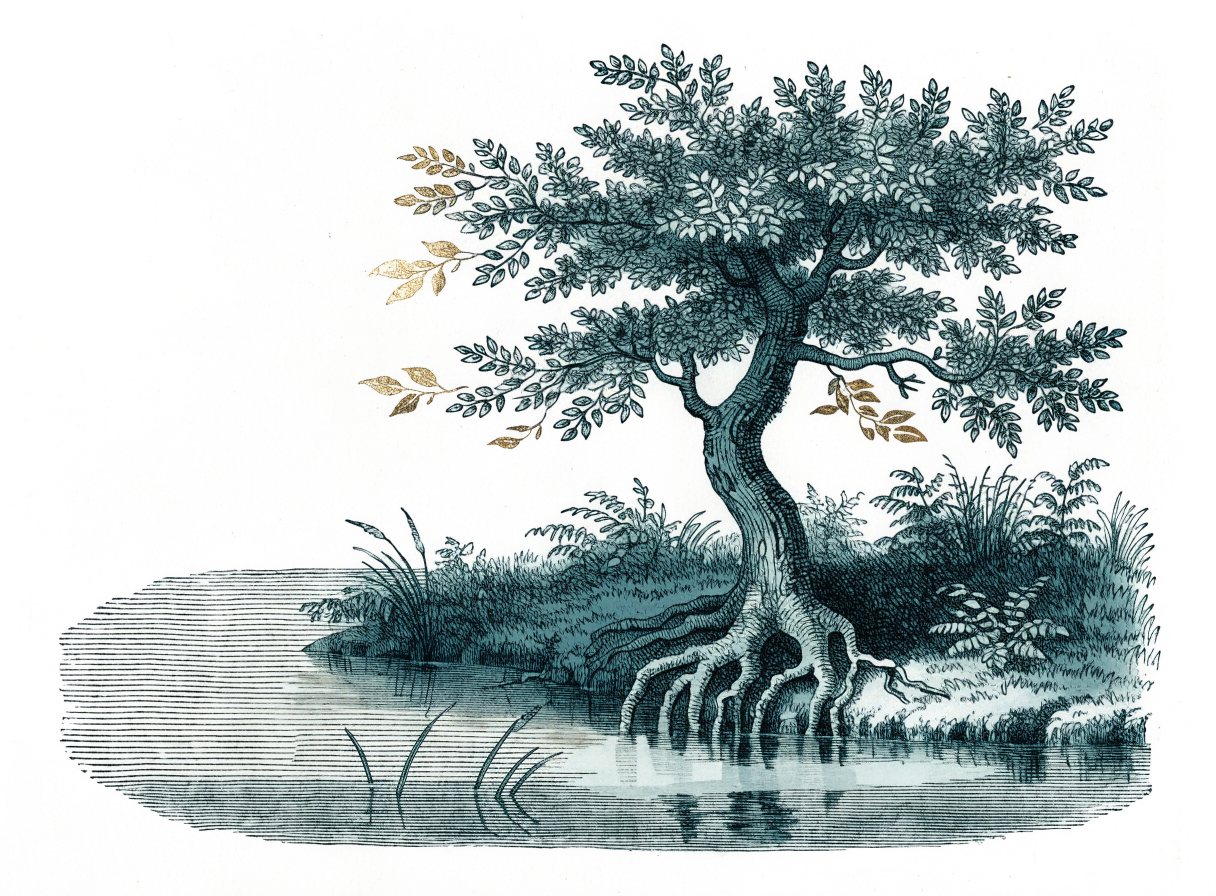
“Be transformed” is passive. It is something done to you by the Spirit through the Word, not a makeover you perform on yourself. (We spent a whole study on this verse in The Battle for the Mind.) The means is meditation. The blessed man of Psalm 1 meditates on God’s law “day and night” (Ps. 1:2), and the Hebrew hāgāh means to murmur, to mutter under your breath. Isaiah uses the same verb for a lion growling over its prey (Isa. 31:4). That is meditation: not skimming, but chewing on the Word and refusing to let go of it. The result is the image in the next verse, a tree planted by streams of water that bears fruit in season. Give your mind good things to chew on (Phil. 4:8). And learn to answer yourself. The Psalmist does it: “Why are you cast down, O my soul… Hope in God” (Ps. 42:5). Martyn Lloyd-Jones, in Spiritual Depression, observed that much of our unhappiness comes from listening to ourselves instead of talking to ourselves. Preach the gospel to your own heart.
Also read: Psalm 1:1–3; 42:5–11; 2 Corinthians 10:3–5; Philippians 4:8; Colossians 3:1–2
9Habits
Repeated patterns do shape character, and Scripture uses the language of the gym to say so. “Train yourself for godliness” (1 Tim. 4:7): the verb is gymnazō, the root of “gymnasium.” Hebrews describes mature believers whose “powers of discernment” have been “trained by constant practice” (Heb. 5:14), and the word for “practice” there (hexis) appears nowhere else in the New Testament. It simply means habit. Jesus himself kept spiritual habits: “as was his custom, he went to the synagogue on the Sabbath day” (Luke 4:16). Daniel prayed three times a day, “as he had done previously,” even with the lions waiting (Dan. 6:10). But the saying makes you the builder, and Scripture names a different one.
Christian habits are not self-construction. They are the places where you put yourself in the path of grace. The Shorter Catechism calls them the means of grace: “the outward and ordinary means whereby Christ communicateth to us the benefits of redemption are his ordinances, especially the word, sacraments, and prayer” (WSC 88). Build your rhythms around those: the Word read and stored up (“I have stored up your word in my heart, that I might not sin against you,” Ps. 119:11), prayer, the Lord’s Supper, and worship with God’s people on the Lord’s Day. Aim every habit at Christ, not at self-improvement, and watch for the drift into legalism: “Having begun by the Spirit, are you now being perfected by the flesh?” (Gal. 3:3). Jonathan Edwards wrote seventy resolutions as a young man, including “Resolved, to live with all my might, while I do live.” But he began the list by admitting he was unable to do anything without God’s help, and asking God by his grace to enable him to keep them. That is the right order.
Also read: 1 Timothy 4:7–8; Hebrews 5:12–14; Psalm 119:9–11; Daniel 6:10; Acts 2:42; Galatians 3:1–3
10Choices
Choices matter. Scripture treats us as responsible people: “Choose this day whom you will serve” (Josh. 24:15); “I have set before you life and death… Therefore choose life” (Deut. 30:19). But “define” is too heavy a word to hang on a choice. If your choices define you, then your worst choice is your name. The gospel reverses the order. Your identity is declared first, and your choices flow out of it.
Paul tells the Romans to “consider yourselves dead to sin and alive to God in Christ Jesus” (Rom. 6:11). The verb is an accounting word: reckon it, count it as true, because it is. You do not choose your way into being a child of God. You choose as a child of God. And when you choose badly, the verdict does not change: “If we confess our sins, he is faithful and just to forgive us our sins and to cleanse us from all unrighteousness” (1 John 1:9). Peter denied Jesus three times. Jesus did not rename him. He met him on a beach, asked him three times if he loved him, and gave him sheep to feed (John 21:15–17). Reformed Christians hold both truths together without flinching: God ordains whatsoever comes to pass, and yet the will of the creature is not violated (WCF 3.1). So before a choice, ask the simple question: whose kingdom does this serve, his or mine?
Also read: Joshua 24:14–15; Deuteronomy 30:15–20; Romans 6:1–11; 1 John 1:9; John 21:15–19
11Faith
This line was not in the video. The video never mentioned God or faith at all. It is the line we add, the Christian’s instinctive answer to the other ten, and it comes closest to the truth, which makes the correction matter most. Faith is the lifeline of the Christian. But strictly speaking, faith does not keep you. God keeps you through faith. If your faith were the thing keeping you, your security would rise and fall with your feelings, and some weeks your feelings are not much to stand on. Peter puts the weight where it belongs.
You are the city. God’s power is the garrison. Faith is the gate through which his protection comes in. The Greek word for faith, pistis, is trust, and trust is an empty hand that receives, not a strong hand that holds on. Jesus said it in the plainest terms possible: “I give them eternal life, and they will never perish, and no one will snatch them out of my hand” (John 10:28). The hand that matters is his. “He who began a good work in you will bring it to completion at the day of Jesus Christ” (Phil. 1:6). He is the “founder and perfecter of our faith” (Heb. 12:2), which means even your faith is his work, start to finish. This is the doctrine the Reformed churches call the perseverance of the saints (WCF 17; Canons of Dort, Head 5), and it is not a cold doctrine. It is the warmest comfort in the list. The Heidelberg Catechism opens with it: “That I am not my own, but belong, body and soul, in life and in death, to my faithful Savior Jesus Christ” (Q&A 1). Charles Spurgeon put it this way: it is not your hold of Christ that saves you; it is Christ. So when your faith feels weak, do not stare at your faith. Look at the One it holds. He has not let go.
Also read: John 10:27–30; Philippians 1:6; Jude 24–25; Romans 8:31–39; Hebrews 12:1–2
The Turn: Your Savior Keeps You
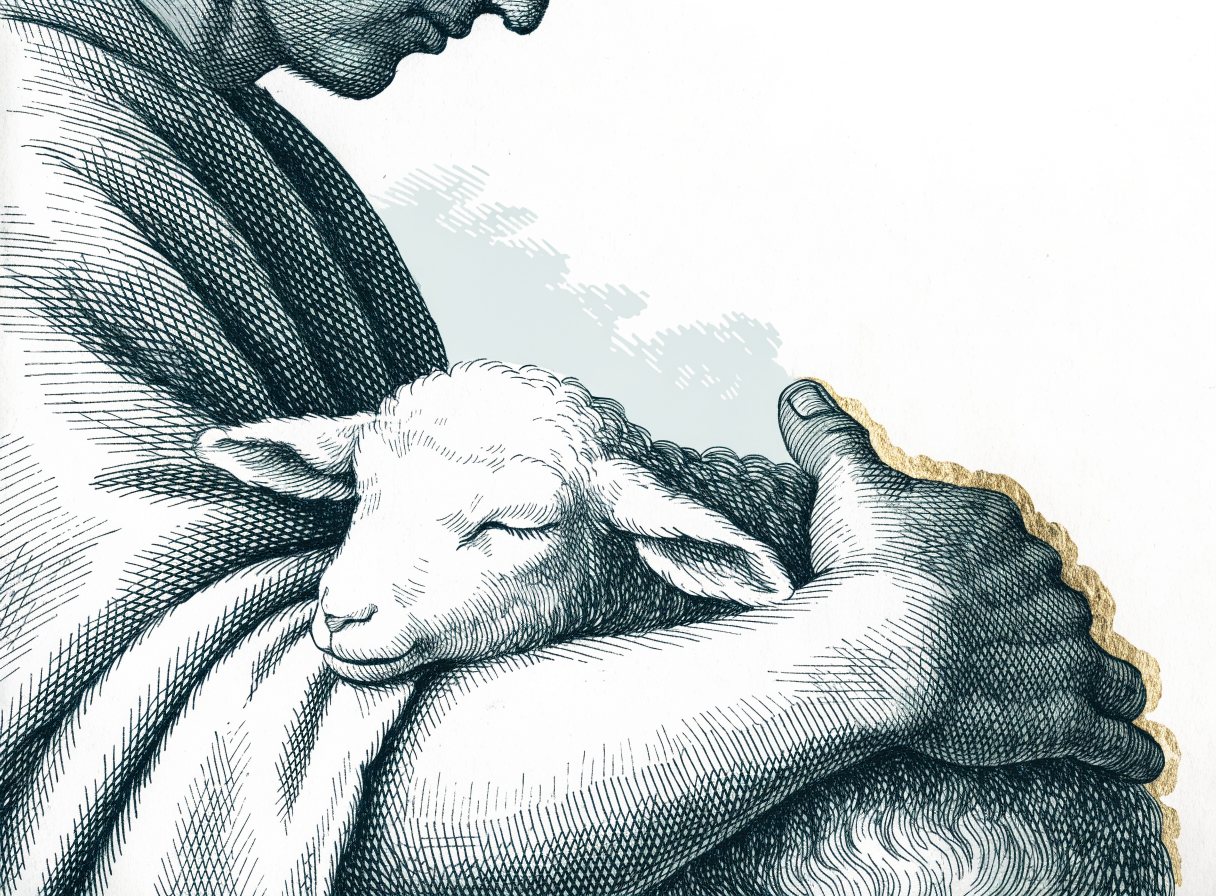
Step back and look at all eleven sayings together. Every one of them tells you to look inward: at your fear, your anger, your triggers, your habits, your choices, your faith. Scripture agrees that the heart matters. It says the heart matters more than any of these sayings imagine. But it does not leave you staring at yourself. It turns your eyes upward, to a sovereign Father who governs every molecule, to a finished work on a cross that settled your past, and to a Spirit who stands guard over a heart you could never guard alone.
Think of the picture at the top of this study. Our feelings are the sea. They are real, they are loud, and some days they break right over the rock. Jesus said the wise man is the one who hears his words and does them, and his house stands when “the rain fell, and the floods came, and the winds blew and beat on that house” (Matt. 7:24–25). The storm still came. The house still stood. The difference was never the weather. It was the rock.
The video never got to God at all. Even the Christian line we added, “your faith keeps you,” still leaves you holding on. The Word ends somewhere better: your Savior keeps you, and that is why your faith holds.
Living It: Five Practices
For Discussion
- Which of the eleven sayings have you heard (or said) most often? Which one sounds most like the voice inside your own head?
- Isaiah 8:13 tells us to fear the LORD instead of what everyone else fears. What would change this week if the fear of God were bigger in your heart than the thing you are most afraid of?
- James asks whether our anger comes from “passions at war within you.” Think of the last time you were angry. What did you believe you were owed?
- Paul says the peace of God will guard your heart (Phil. 4:7), and Peter says God’s power guards you (1 Pet. 1:5). How does the picture of a garrison change the way you think about anxiety and about assurance?
- Guilt, consequences, and wounds: how does separating those three help you think about your own past?
- “It is not your hold of Christ that saves you; it is Christ.” Why is that more comforting than “your faith keeps you”?
Sources & For Further Study
- Text: Proverbs 3:5–6; 4:23; 9:10; 14:29; 16:9; 29:25; Isaiah 8:13; 40:29–31; 46:10; Psalm 1:1–3; 42:5; 56:3; 62:8; 94:19; 103:12; 115:3; 119:11; 139:23–24; 147:3; Exodus 15:26; 34:6; Deuteronomy 29:29; 30:19; Joshua 24:15; Nehemiah 8:10; Jeremiah 17:9; Daniel 6:10; Genesis 50:20; Matthew 6:25–34; 7:24–25; 10:29–31; Mark 3:5; Luke 4:16; 6:45; 12:4–7; John 10:28; 21:15–17; Romans 6:11; 12:2, 19; 2 Corinthians 5:17; 10:5; 12:9; Galatians 2:20; 3:3; 5:23; Ephesians 2:4–10; 4:26–27; Philippians 1:6; 2:12–13; 3:13–14; 4:6–8; Colossians 3:13; 1 Timothy 1:13; 4:7–8; Hebrews 5:14; 12:2, 15; James 1:19–20; 4:1, 15; 1 Peter 1:3–5; 5:7; 1 John 1:9; 4:18. English quotations follow the ESV.
- Greek and Hebrew: BDAG on φρουρέω, ἐνεργέω, ἐπιλανθάνομαι, γυμνάζω, ἕξις, πίστις; LSJ on φρουρός (from πρό + ὁράω). HALOT on יִרְאָה (yirʾah), אֶרֶךְ אַפַּיִם (ʾerekh ʾappayim), שַׂרְעַפִּים (sarʿappim), חֶדְוָה (ḥedvāh), חָקַר (ḥāqar), רָפָא (rāphāʾ), בָּטַח (bāṭaḥ), הָגָה (hāgāh). Strong’s: phroureō G5432; energeō G1754; gymnazō G1128; hexis G1838; pistis G4102; ḥāqar H2713; bāṭaḥ H982; hāgāh H1897. Word pictures checked against actual New Testament and Old Testament usage, not etymology alone.
- Confessions: Westminster Confession of Faith 3.1 (God’s decree and the liberty of second causes), 5 (providence), 13.3 (progress in sanctification), 16.3 (good works and the Spirit), 17 (perseverance of the saints); Westminster Shorter Catechism 11 (providence) and 88 (means of grace); Heidelberg Catechism Q&A 1; Canons of Dort, Head 5.
- Older voices: John Calvin, Institutes 1.1.1; Augustine, Confessions 1.1; Martin Luther, Ninety-Five Theses, Thesis 1; Thomas Chalmers, “The Expulsive Power of a New Affection”; Jonathan Edwards, Resolutions; Charles Spurgeon.
- Practical: Martyn Lloyd-Jones, Spiritual Depression; R.C. Sproul, Chosen by God (on providence); John Piper, Desiring God; Edward T. Welch, Running Scared (fear and anxiety); David S. Jones, Seventy Times Seven, on the God who does not keep the count.
Want this whole study as a beautifully formatted, printable PDF, ready for your small group? It’s free when you join the weekly list.