

In 1776 a group of men signed their names under a sentence that promised every person “Life, Liberty and the pursuit of Happiness.” Notice what was promised. Not happiness. The pursuit of it. Nearly two hundred and fifty years later we are still running, and most of us are not sure we have caught it.
Many Christians grew up hearing a line that sounds very spiritual: “God doesn’t want you happy. He wants you holy.” There is a true warning inside it. God will not trade your holiness for your comfort. But as a whole statement it is only half right, and it has done real harm. It makes holiness the price you pay and happiness the thing you give up. It makes God sound like the enemy of your joy.
The Puritan Thomas Watson saw it more clearly: “Blessedness is the desire of all men.” God made us to want it. The trouble is where we look: “Millions of men mistake both the nature of blessedness and the way thither.” In 1662 Thomas Brooks gave a whole book this title: Holiness, the Only Way to Happiness. He was summarizing the Bible. The Westminster Shorter Catechism (a short question-and-answer summary of the faith) says it in one line: “Man’s chief end is to glorify God, and to enjoy him forever.” Glorify and enjoy. Both, together.
- God made you to want happiness. The desire is good. The search goes wrong.
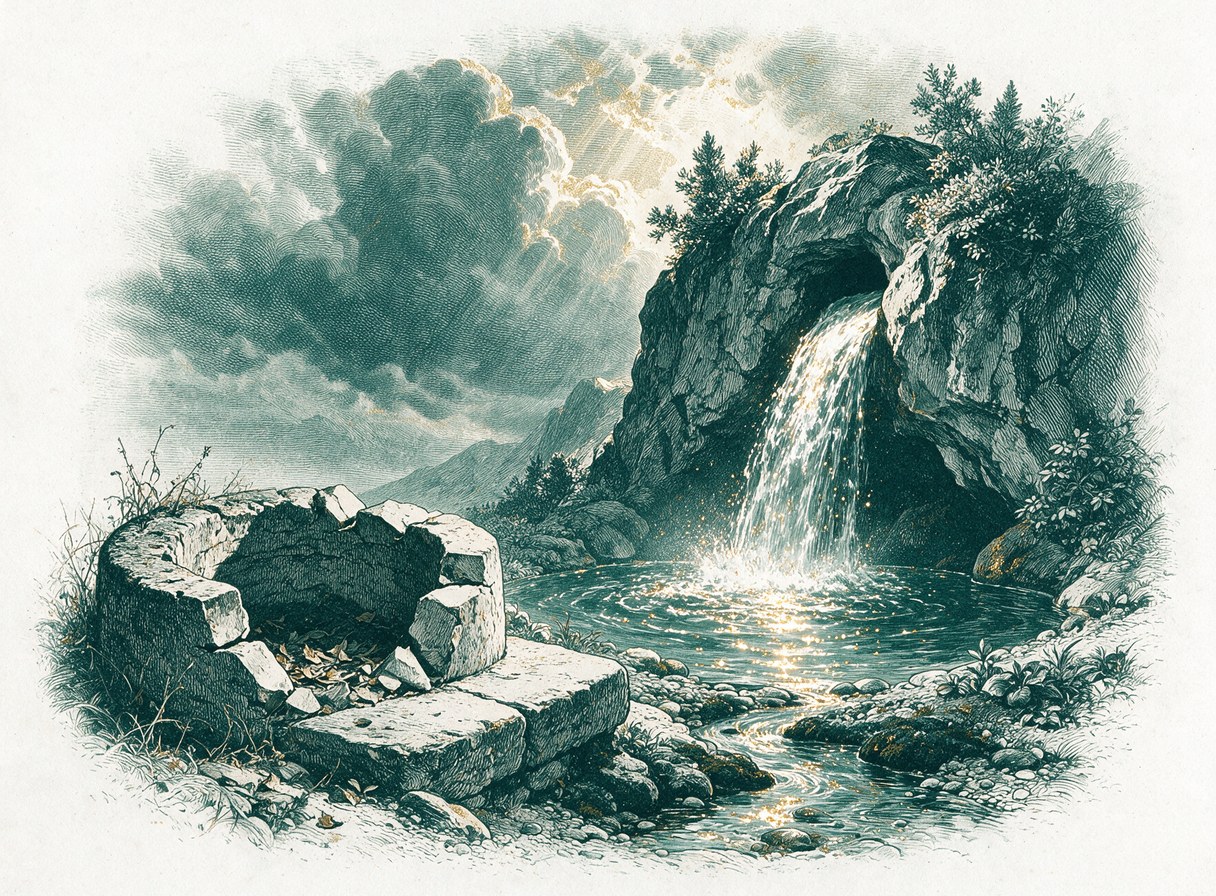
- God himself is the good. He is the fountain, and every other joy is a stream.
- Sin always lies about happiness. It promises joy and pays in ashes.
- Holiness is the road into joy, the shape of a heart made glad in God.
- It all begins with forgiveness. The first happiness is a God who no longer counts your sins against you.
1. O the happiness of that man
The very first word of the book of Psalms is a word about happiness.
Translated “blessed,” but warmer than it sounds. It means happy, flourishing, well off. Young’s Literal Translation renders Psalm 1:1, “O the happiness of that one.” The Greek word that matches it, makarios, is the word Jesus uses at the start of the Sermon on the Mount: “Blessed are the pure in heart, for they shall see God” (Matt. 5:8). Paul even uses it of God: “the gospel of the glory of the blessed God” (1 Tim. 1:11). God is supremely happy in himself. To be made like him is to be brought into his happiness.
Look at what the happy man does. He does not walk, then stand, then sit with the wicked. Sin slows you down until you are not going anywhere. Instead, “his delight is in the law of the LORD.” His delight, more than his duty. Picture a man who has found where the water is and put his roots down beside it, rather than one gritting his teeth through a list of rules. The Bible’s word for the holy man is the word for the happy man.
2. The broken cisterns
A cistern was a pit cut out of rock and plastered to hold rainwater. Hard work, for flat, still water at best. A spring was the opposite: fresh water bubbling up on its own, free. God’s people walked away from a spring to dig their own tanks, and the tanks were cracked.
That is the world’s pursuit of happiness in one picture. People settle for leaky substitutes and work very hard to do it. As Watson put it, they “go to the wrong box.”
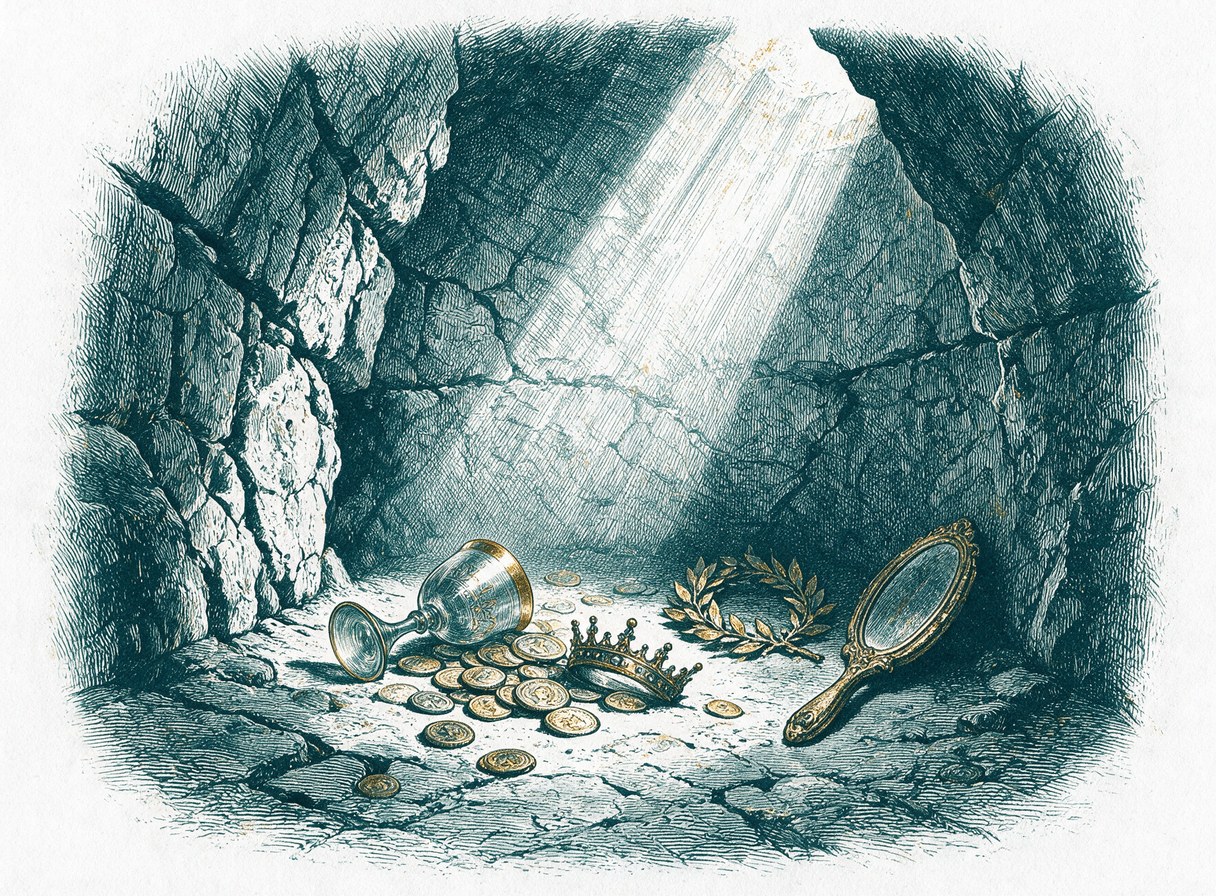
Here are six cisterns our culture digs most often, set beside what God has said.
| Cistern | The world says | The Word says |
|---|---|---|
| Money | “A little more and I’ll be happy.” | Your life does not consist in the abundance of your possessions. Godliness with contentment is great gain (Luke 12:15; 1 Tim. 6:6). |
| Pleasure | “If it feels good, it must be good for me.” | Sin’s pleasures are fleeting. God’s pleasures are forevermore (Heb. 11:25; Ps. 16:11). |
| Approval | “If people admire me, I’ll finally feel like I matter.” | Seek the glory that comes from the only God (John 5:44). |
| Comfort | “Happiness is the absence of pain.” | God disciplines us for our good, that we may share his holiness (Heb. 12:10–11). |
| Freedom | “I’ll be happy when nobody tells me what to do.” | Everyone who practices sin is a slave to sin. If the Son sets you free, you will be free indeed (John 8:34, 36). |
| The self | “Follow your heart. Be true to yourself.” | The heart is deceitful above all things. Whoever loses his life for my sake will find it (Jer. 17:9; Matt. 16:25). |
- Money is a gift, and a terrible god, because it can never say “enough.” Spurgeon said, “A man will never be dazzled with gold, who has his heart satiated with God!”
- Sinful pleasure fails because it does not last. Moses walked away from “the fleeting pleasures of sin” (Heb. 11:25). He traded a short pleasure for a greater one, “for he was looking to the reward” (Heb. 11:26).
- Hard times are not proof you have missed it. J.C. Ryle was careful here: “True happiness is not perfect freedom from sorrow and discomfort.” Paul could be “sorrowful, yet always rejoicing” (2 Cor. 6:10), both at once.
3. God is the fountain
Happiness is not found beside God, as one more good thing on the shelf. It is found in him. Asaph nearly lost his faith envying rich, healthy, carefree sinners. Then he went into God’s house and saw their end, and he prayed, “Whom have I in heaven but you? And there is nothing on earth that I desire besides you” (Ps. 73:25). The prosperous sinner has everything except God. The struggling saint has nothing except God, which turns out to be everything.
Jonathan Edwards gave this picture of every good gift in life: “These are but streams, but God is the fountain. These are but drops, but God is the ocean.” That frees a Christian to enjoy his wife, his friends, and a good meal more than anyone, because none of them has to be God for him. They are streams. He knows where the fountain is.
4. Holiness is the road
But a sinner cannot walk into the presence of a holy God and enjoy him. Hebrews says to strive “for the holiness without which no one will see the Lord” (Heb. 12:14). Holiness means being set apart for God and made like him in heart and life. God leads forgiven people down this road; holiness is never the price of getting in (more on that below). The happiness is seeing God. The way there is a pure heart. Brooks said it bluntly: “So that there is now no way under heaven to be happy, but by being holy.” And he showed God’s intent: “where he is resolved to make happy, there he is resolved to make holy.”
Jesus tied obedience and joy together on the night before he died:
Keeping his commands is how we stay in his love, and the reason he tells us is joy: his joy in us, and ours made full. The Heidelberg Catechism describes the new heart God gives as “Complete joy in God through Christ and a strong desire to live according to the will of God in all good works.” One new heart, with joy and holiness together. J.C. Ryle summed it up: “The holiest men are always the happiest!”
5. How the change happens
The cistern is right there, and it still tastes like water. How does a heart let go? The Scottish preacher Thomas Chalmers said you cannot rip a love out of the heart and leave an empty space. The heart must love something. “The only way to dispossess it of an old affection, is by the expulsive power of a new one.”
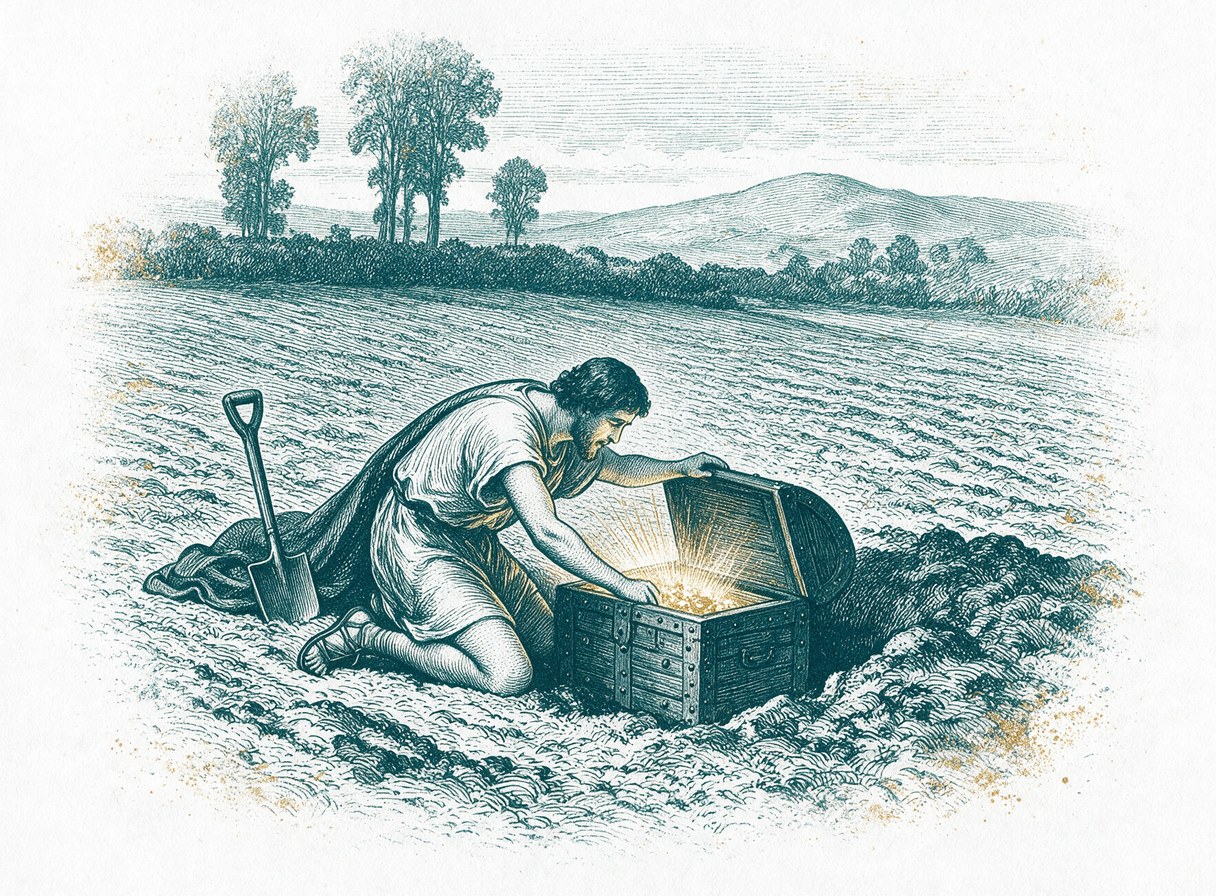
So holiness grows mainly when something better takes the place of what we loved. Willpower is not the engine, though effort is real, and God works in us as we work (Phil. 2:12–13). Jesus told a two-sentence parable about it:
Notice the words “in his joy.” Nobody pities this man. He has seen what is in that field, and the selling takes care of itself.
John Piper puts it this way: “God is most glorified in us when we are most satisfied in him.” Every temptation is a contest between two promises of happiness. Sin says, “You will be happier with me.” God says, “In my presence there is fullness of joy.” We fight sin by believing the better promise. Spurgeon saw the safeguard in it: “God’s people will not go astray from him, when their hearts are thoroughly happy with him.”
6. Happiness begins at the cross
All of this could leave you staring at yourself. Am I holy enough to be happy? If it ends there, it is one more cistern, a religious one. So look at Jesus. He is the only perfectly holy man who ever lived, and Hebrews says he went to the cross “for the joy that was set before him” (Heb. 12:2). David wrote Psalm 32 after his worst failure, adultery and murder, and opened it with the same word as Psalm 1:
O the happiness of the forgiven man. Paul quotes these verses (Rom. 4:7–8) to show this happiness comes by grace, through faith, apart from our works. No sinner can start down the road of holiness on his own. We start at the cross, forgiven. And the growing holiness that follows is “the work of God’s free grace” (Shorter Catechism 35). The Spirit who makes you holy is the same Spirit whose fruit is “love, joy, peace” (Gal. 5:22). He changes what you love.
Five ways to live this out this week
- Name your cistern. Which of the six do you run to first when life is hard? Write it down.
- Drink before you work. George Müller made it his first business each morning to get his soul happy in the Lord. Start in the Word and prayer.
- Fight with a better promise. Memorize Psalm 16:11 and say it back when sin offers you happiness.
- Confess quickly. “When I kept silent, my bones wasted away” (Ps. 32:3). Pray with David, “Restore to me the joy of your salvation” (Ps. 51:12).
- Rejoice on purpose. “Rejoice in the Lord always; again I will say, rejoice” (Phil. 4:4). Thank him for three specific things each night.
For discussion
- Have you heard “God wants you holy, not happy”? What is true in it, and what does Psalm 1 add?
- Which of the six cisterns pulls hardest at you? How has it failed to hold water?
- What would a “better promise” look like in a temptation you face right now?
- Why does Christian happiness have to begin with forgiveness instead of with our own holiness?
Still chasing it? The world pursues happiness and never catches it, because it is running away from the only One who has it to give. Stop running from God and run to him. Turn from your sin and trust Christ, who endured the cross for sinners and rose again. The first happiness he gives is forgiveness, and every other joy grows from that root. As Thomas Watson put it, “the same day you become godly, you become blessed.”
Want this teaching as a printable five-page PDF to share with a friend or your small group? It’s free when you join the weekly list.