

“Beloved, let us love one another, for love is from God.” 1 John 4:7
Introduction: Hope and Assurance
Last week we read two letters to Christians under pressure. Hebrews told believers tempted to drift back to the old ways that Jesus is better: a better priest, a better sacrifice, a better hope. James told believers whose faith talked well but did nothing that real faith works.
This week we hear from two of Jesus’ closest friends, and from his brother Jude. Peter writes to suffering exiles about a living hope, and John writes to shaken believers so that they may know they have eternal life.
Part Three: Peter: Hope in Suffering
The fisherman who once denied Jesus wrote two letters near the end of his life, probably from Rome, about AD 62 to 67. In the first he calls the city “Babylon” (1 Pet. 5:13), the old name of the empire that carried God’s people into exile. You will meet that name again in Revelation. He wrote to believers he calls “elect exiles” (1:1), scattered across what is now Turkey, who were being slandered and mistreated for their faith.
Peter begins with praise: God “has caused us to be born again to a living hope through the resurrection of Jesus Christ from the dead, to an inheritance that is imperishable, undefiled, and unfading, kept in heaven for you” (1:3–4). They were exiles on earth, but they had a home that could not be taken from them. Peter, who had once tried to talk Jesus out of the cross, now wrote, “He himself bore our sins in his body on the tree, that we might die to sin and live to righteousness. By his wounds you have been healed” (2:24).
Suffering, Peter says, should not surprise us. “Beloved, do not be surprised at the fiery trial when it comes upon you to test you, as though something strange were happening to you. But rejoice insofar as you share Christ’s sufferings” (4:12–13). So while you wait, cast “all your anxieties on him, because he cares for you” (5:7), and always be “prepared to make a defense to anyone who asks you for a reason for the hope that is in you; yet do it with gentleness and respect” (3:15).
In his second letter, written as he knew his death was near, Peter insisted that the gospel was no fairy tale: “we did not follow cleverly devised myths… but we were eyewitnesses of his majesty” (2 Pet. 1:16). If Jesus seems slow to return, it is because God “is patient toward you, not wishing that any should perish, but that all should reach repentance” (3:9). Early Christian writers tell us Peter died for Christ in Rome under Nero, and by about AD 200 they say he was crucified. Jesus had told him long before, “when you are old, you will stretch out your hands,” and John adds that this was “to show by what kind of death he was to glorify God” (John 21:18–19).
Part Four: John: Love and Assurance
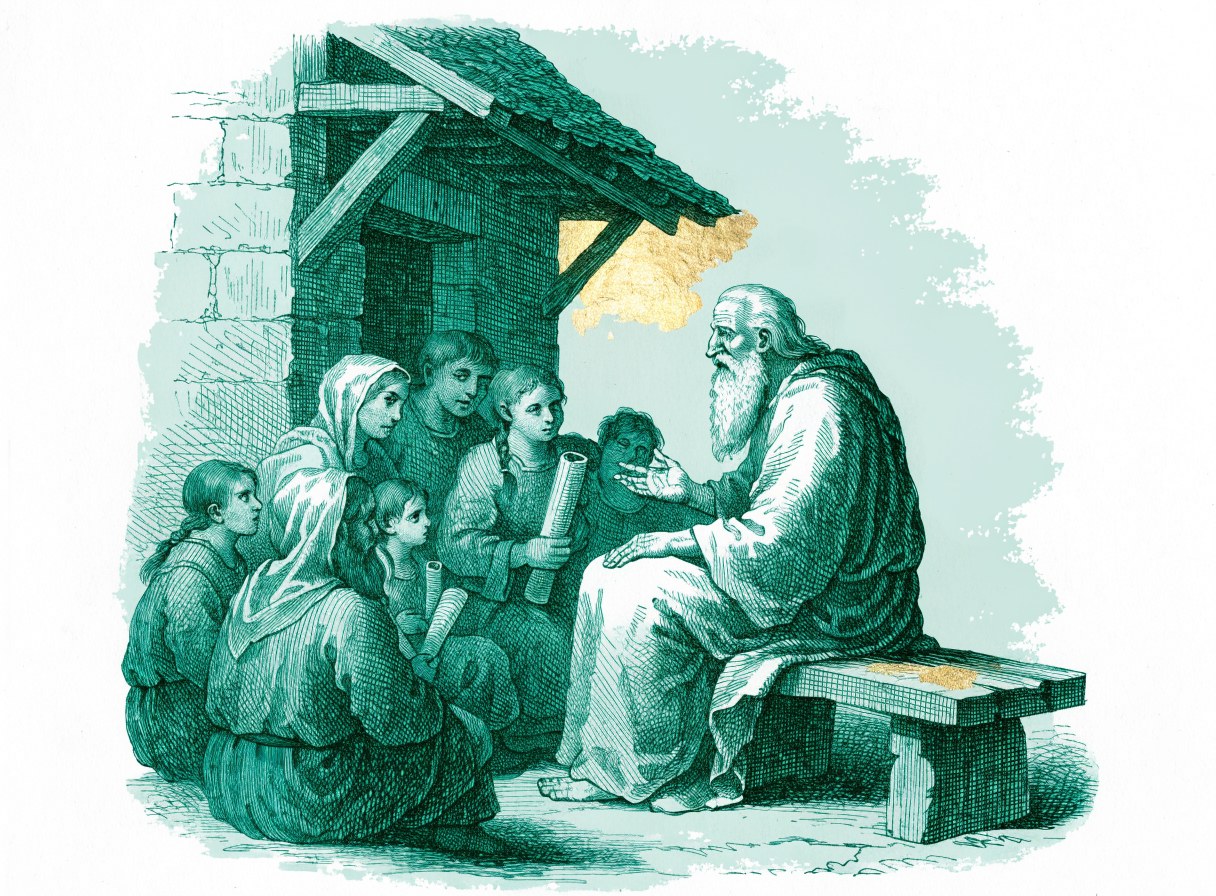
Early tradition says John outlived the rest of the twelve. In his Gospel he never uses his own name and calls himself the disciple “whom Jesus loved” (John 13:23). The same tradition says he lived to old age in Ephesus, caring for the churches of that region, and wrote his three letters there, probably around AD 85 to 95.
John writes like a grandfather to “my little children.” His themes are simple and deep. God is light (1:5): “If we confess our sins, he is faithful and just to forgive us our sins and to cleanse us from all unrighteousness” (1:9). And when we fall, “we have an advocate with the Father, Jesus Christ the righteous. He is the propitiation for our sins, and not for ours only but also for the sins of the whole world” (2:1–2). A propitiation is a sacrifice that turns away God’s anger against sin. John means there is no other sacrifice for anyone, from any nation, and no one who comes to Christ will find his blood too small for their sin.
God is love (4:8). “In this is love, not that we have loved God but that he loved us and sent his Son to be the propitiation for our sins” (4:10). “See what kind of love the Father has given to us, that we should be called children of God; and so we are” (3:1). Love that comes from God flows out to others: “We love because he first loved us” (4:19).
And John wants believers to be sure. False teachers had left the church and unsettled people. So he wrote, “Whoever has the Son has life; whoever does not have the Son of God does not have life. I write these things to you who believe in the name of the Son of God, that you may know that you have eternal life” (5:12–13). That certainty rests on the Son and on God’s word about him, not on how strong you feel. John also points to the marks of that life: keeping his commands and loving other believers (2:3; 3:14).
The little letter of Jude, a brother of Jesus, calls believers to “contend for the faith that was once for all delivered to the saints” (Jude 3), and ends with one of the great blessings of the Bible: “Now to him who is able to keep you from stumbling and to present you blameless before the presence of his glory with great joy… be glory” (Jude 24–25).
The Turn: A Living Hope
Suffering and doubt both pull our eyes inward. Peter and John turn them outward, to what God has done in Christ. The hope is living because the One it rests on is alive.
So Peter can promise, “And after you have suffered a little while, the God of all grace, who has called you to his eternal glory in Christ, will himself restore, confirm, strengthen, and establish you” (1 Pet. 5:10). Notice who does the work: God himself. If you are suffering, that promise is for you. If you are unsure, stop staring at your doubts and look at Christ. Trust him today. Next week we open the last book of the Bible and see how the whole story ends.
Living It: Three Practices for This Week
Before Week 51: Read Revelation 1, 4, and 5. Week 51 opens the last book of the Bible.
For Discussion
- Peter says not to be surprised by suffering. Why do Christians so often feel surprised?
- John writes so that believers may know they have eternal life. Is that kind of certainty proud or humble? Why?
- Which of these letters do you most need to read this month? Why?
- Jude calls believers to “contend for the faith.” How can you do that with the gentleness and respect Peter asks for?
Sources & For Further Study
- On perseverance and assurance: Westminster Confession of Faith 17 and 18.
- On the general letters: Douglas J. Moo, The Letter of James; Edmund P. Clowney, The Message of 1 Peter; John Stott, The Letters of John.
Leading a small group? This week comes as a beautifully formatted, printable PDF, along with a 2-page Small Group Guide: a discussion page for your group and leader notes with a session plan and answer key. Both are free when you join the weekly list.